
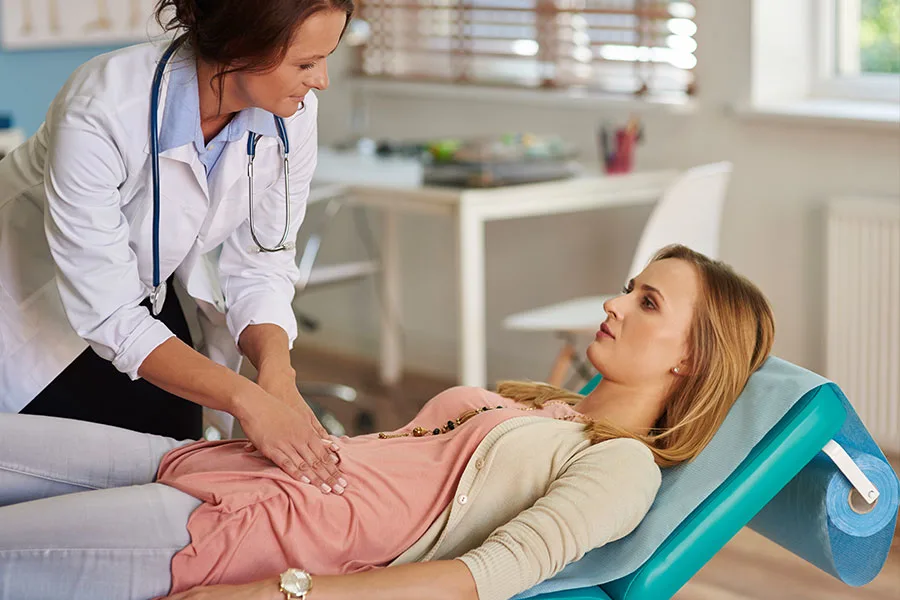
Urinary incontinence the involuntary or accidental loss of urine is a common yet highly treatable medical condition that affects millions of women worldwide. Beyond the physical discomfort, poor bladder control can significantly impact your daily routines, physical confidence, personal relationships, and emotional well-being.
At Revive by OrthoSports, we specialize in comprehensive female urology and pelvic health care. Our experienced urology team uses advanced diagnostic techniques to pinpoint the exact underlying causes of poor bladder control and create a personalized, evidence-based treatment plan tailored to your lifestyle.
Types and Causes of Female Urinary Incontinence
Depending on your symptoms, leakage generally falls into three main categories:
- Stress Urinary Incontinence (SUI): Leakage caused by sudden physical pressure on the bladder (e.g., coughing, laughing, sneezing, exercising, or lifting heavy objects).
- Urge Incontinence (Overactive Bladder): A sudden, intense urge to urinate followed by involuntary bladder contractions before reaching a restroom.
- Mixed Incontinence: A combination of both stress and urge incontinence symptoms.
Primary Causes & Risk Factors
- Pregnancy and Childbirth: Vaginal delivery and gestational pressure stretch and weaken the pelvic floor muscles and supporting ligaments, compromising urethral support.
- Hormonal Changes & Menopause: Reduced estrogen levels during menopause cause the tissues lining the bladder and urethra to thin, leading to decreased elasticity and tissue atrophy.
- Pelvic Floor Muscle Dysfunction: Chronic straining, heavy weightlifting, or natural aging reduces the tone of the pelvic muscles that keep the bladder outlet closed.
- Neurological Disorders: Conditions such as stroke, multiple sclerosis (MS), or Parkinson’s disease can disrupt nerve signals between the brain and the bladder wall muscle (detrusor).
- Increased Intra-Abdominal Pressure (Obesity & Chronic Cough): Excess body mass or chronic respiratory conditions place constant downward pressure on the bladder and pelvic floor.
- Recurrent Urinary Tract Infections (UTIs): Active bacterial infections inflame the bladder lining, triggering temporary urge leakage, painful urination, and frequency.
- Surgical History: Previous pelvic surgeries, such as hysterectomies, can occasionally disturb pelvic tissue support or nerve pathways surrounding the bladder.
- Medications & Lifestyle Factors: Diuretics, high caffeine consumption, alcohol, or medications affecting smooth muscle contraction can temporarily worsen bladder control issues.
Treatments for Female Bladder Dysfunction
Effective management starts with an accurate diagnosis. At Revive by OrthoSports, our female urology specialists provide advanced diagnostic evaluations including urinalysis, post-void residual volume testing, and urodynamic studies to assess your specific condition:
- Stress Urinary Incontinence (SUI)
- Overactive Bladder (OAB) & Sudden Urgency
- Frequent Urination (Nocturia & Daytime Frequency)
- Recurrent Urinary Tract Infections (UTIs)
- Pelvic Organ Prolapse & Bladder Dysfunction
First Step Toward Better Bladder Health
Urinary leakage is a recognized medical condition, not an inevitable part of aging or motherhood. You do not have to let bladder control issues restrict your active lifestyle or diminish your selfconfidence.
At Revive by OrthoSports, our compassionate urology team is dedicated to providing discreet, high-quality, and personalized care in a comfortable environment.
Regain control and confidence today. Contact Revive by OrthoSports to book your expert consultation for female urinary incontinence treatment in Dubai.