
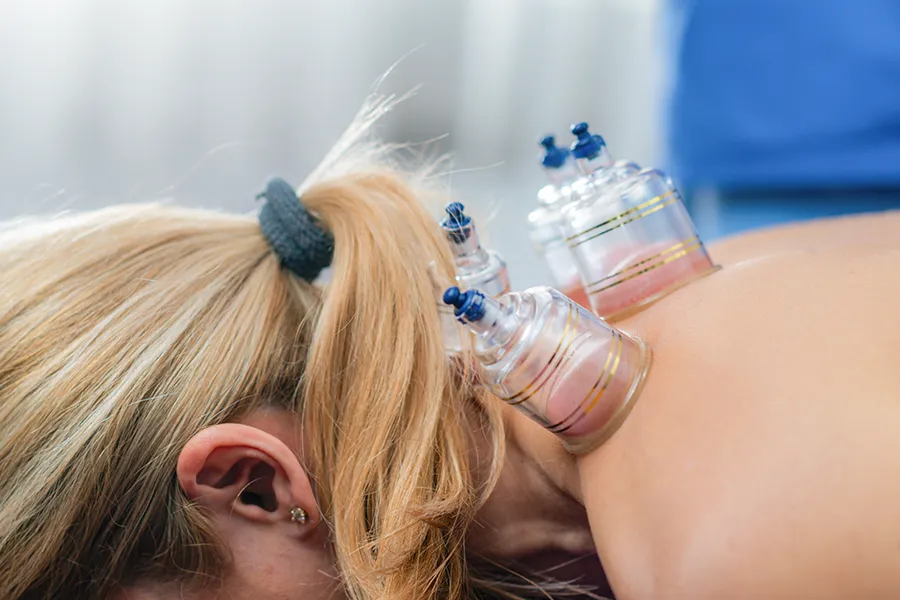
Ramadan is a month of spiritual reflection, discipline, and renewal. Along with fasting and prayer, many people also focus on improving their health and overall well-being during this holy month. One natural therapy that has become increasingly popular is Hijama therapy, also known as wet cupping therapy.
Hear it from our Hijama Therapy expert, Dr. Hina Ansari, who explains how Hijama can support detox, relieve fatigue, and promote wellness during Ramadan when done at the right time and under professional care.
If you are considering Hijama during Ramadan, this guide will help you understand its benefits, safety, and the best time to schedule a session while fasting.
What is Hijama Therapy?
Hijama therapy is a traditional healing method where cups are placed on the skin to create suction. Small, controlled incisions are then made to draw out stagnant blood. This therapy has been practiced for centuries and is widely known for supporting overall wellness.
Hijama is commonly used to help with:
- Detoxification
- Improved blood circulation
- Pain relief
- Stress reduction
- Boosting immunity
Many people choose Hijama as part of a natural health routine, especially during Ramadan.
Can You Do Hijama Therapy During Ramadan?
Yes, Hijama therapy can be done during Ramadan, but proper timing is important. Since fasting affects hydration and energy levels, most practitioners recommend scheduling Hijama outside fasting hours to avoid weakness or dizziness.
For the best experience, always consult a certified Hijama specialist before booking your session.
Benefits of Hijama Therapy in Ramadan
Ramadan is already a time when the body undergoes a natural cleansing process. Adding Hijama therapy can further support physical wellness.
Supports Detox and Cleansing
Hijama helps remove toxins and improves blood flow, making it an excellent wellness treatment during Ramadan.
Helps Reduce Fatigue
Many people experience tiredness while fasting. Hijama may help improve circulation and promote better energy levels when performed safely.
Relieves Headaches and Body Pain
Changes in sleep and eating habits can cause headaches, muscle tension, or back pain. Hijama is often chosen for natural pain relief.
Promotes Relaxation and Better Sleep
Hijama therapy helps reduce stress and supports deeper rest, which can be especially helpful during busy Ramadan evenings.
Boosts Immune Health
A stronger immune system is important during fasting, and Hijama is known to support the body’s natural defense mechanisms.
Best Time for Hijama During Ramadan
The best time to do Hijama in Ramadan is when your body is hydrated and nourished. Recommended timings include:
- After Iftar, once you have eaten and had enough water
- Before Suhoor, if you feel comfortable early in the morning
- Avoid doing Hijama during the middle of the day while fasting, especially in warm weather.
Who Should Avoid Hijama During Ramadan?
Hijama may not be suitable for everyone while fasting, especially:
- People with anemia or low blood pressure
- Pregnant women
- Individuals with chronic medical conditions without doctor approval
- Anyone feeling extremely weak or dehydrated
Book Your Hijama Session This Ramadan
If you are looking for a natural way to support detox, relieve stress, and improve wellness during the holy month, Hijama therapy during Ramadan can be a powerful option.
Contact our certified practitioners today to book your session safely and comfortably.